
Home Of Fair Facts & Tips
Our Simple Property Inspection Guide
Use a simple property inspection checklist to spot red flags and feel confident before you buy.
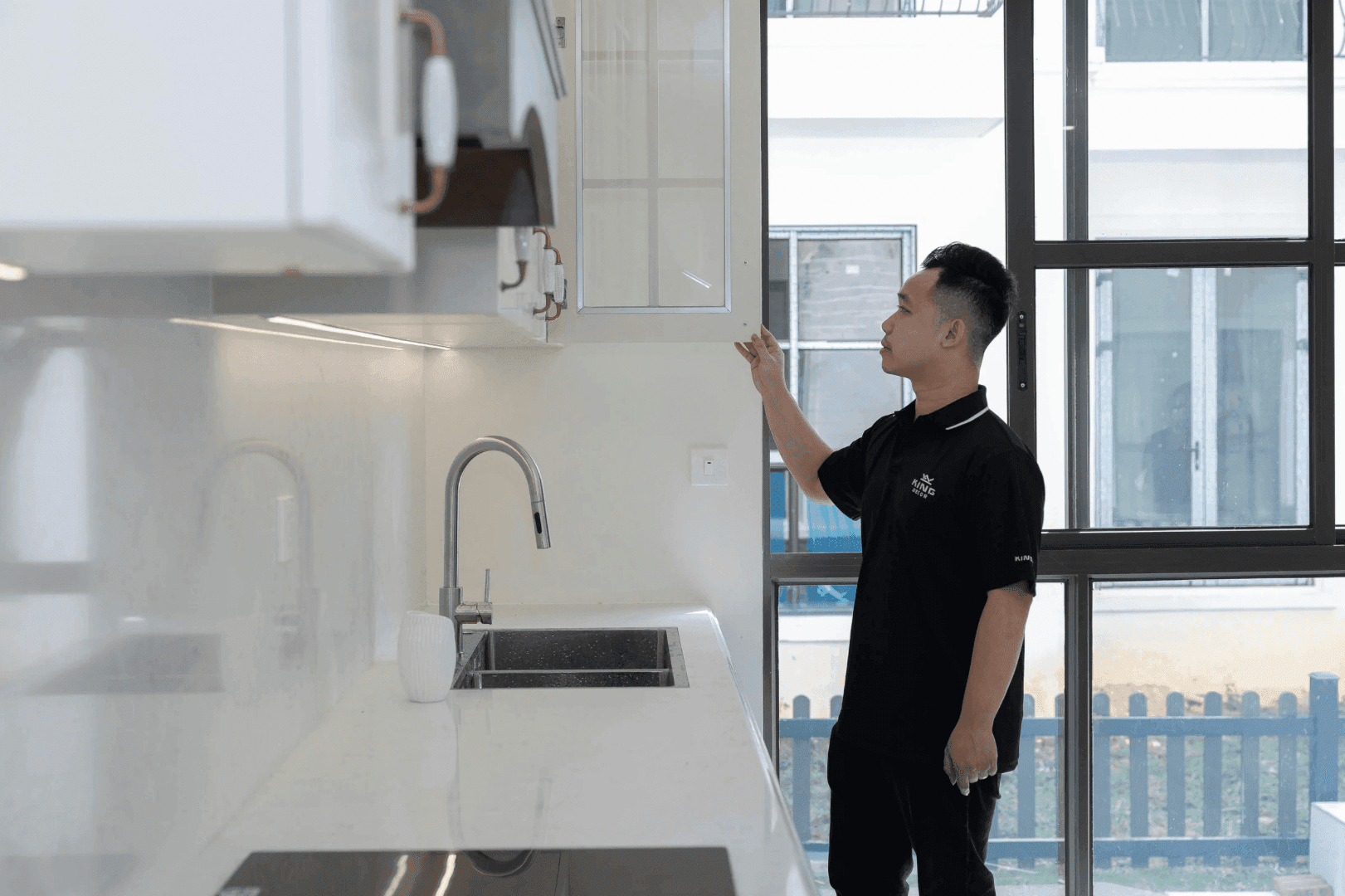
Buying a place is exciting, but open inspections can be tiring and fast. A clear property inspection checklist stops your brain from melting and helps you inspect the property with purpose. This article walks through what to look for outside and inside, how to combine your own notes with a professional building inspection, and how to turn all of that into smart next steps. Use it to feel confident about your next move, whether you are buying your first home, upgrading, or checking an investment property.
Key takeaways
- A simple inspection checklist keeps you focused during a short open inspection.
- Combine your own notes with a professional building and pest inspection.
- Check the area, exterior and interior so you are not surprised after settlement.
- Use the final report to negotiate, plan repairs, or confidently walk away.
Why inspections matter before you buy
Property hunting can feel like a blur of lovely kitchens and staged cushions. As Craggle’s own checklist puts it, “Property hunting can be a lot to take in. This checklist keeps things simple, helping you focus on what matters most, spot red flags, and feel confident about your first or next move.”* A structured pre buying inspection helps you slow things down, ignore the styling, and pay attention to the bones of the place instead of the pretty bits. That is where a simple property inspection checklist or home inspection checklist earns its keep.
A professional building inspection, often paired with a pest building inspection, is carried out by licensed experts who look for structural damage, leaks, movement, and signs of pests like termites. Many Australian contracts include a building and pest clause, so if the report comes back badly, you may be able to walk away without losing your deposit. At the same time, your own house inspection or home inspection at each open inspection lets you notice day to day issues that a formal report might not focus on, such as street noise, storage, and how the home actually feels to live in.
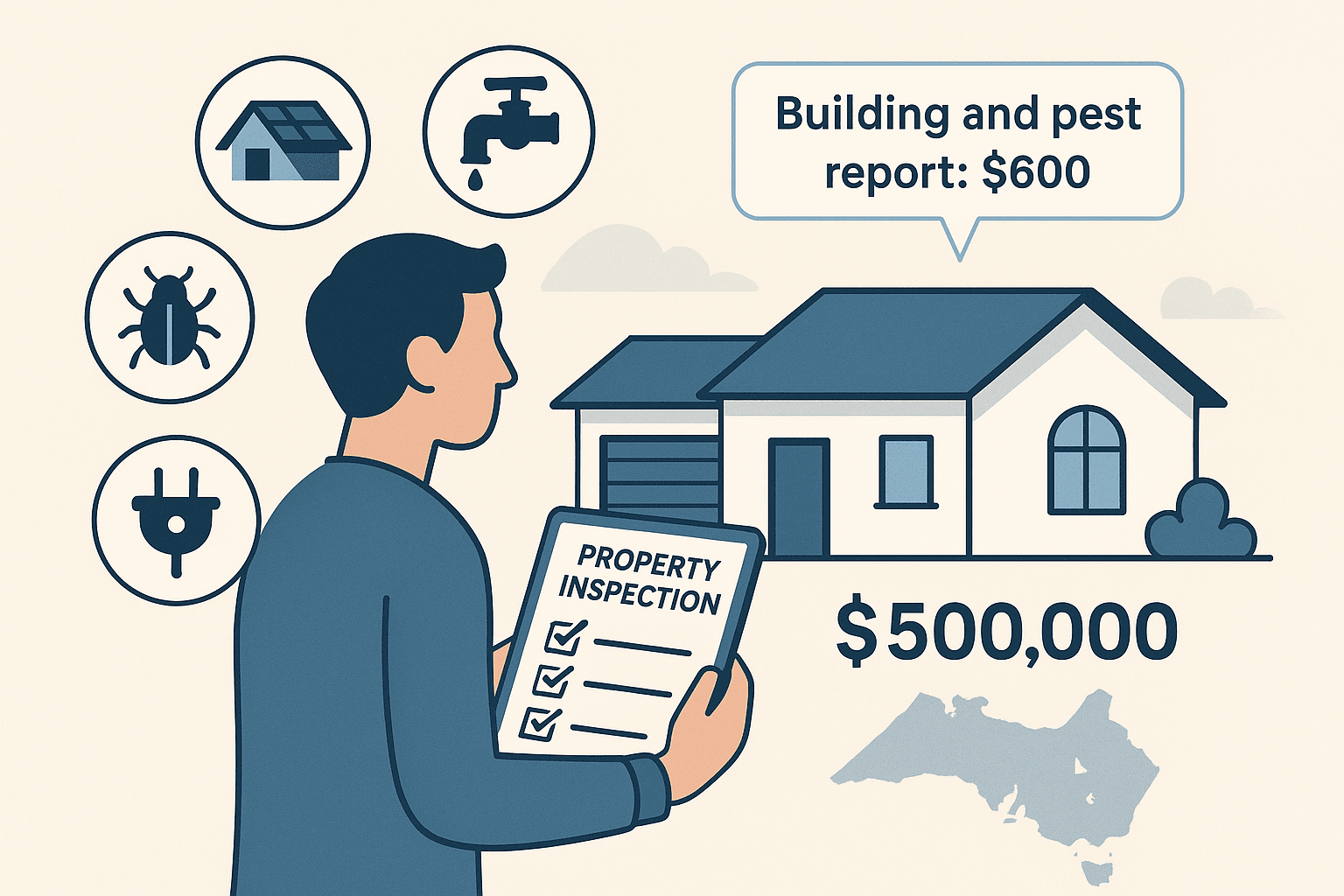
Think about a couple looking at a $500,000 unit with a 5 percent deposit of $25,000 saved. They spend a few hundred dollars on a combined building inspection and termite inspection. The inspector finds early signs of water damage in the bathroom and recommends further checks. With that information, the couple can either ask for repairs, negotiate the price, or decide this inspection home is not worth the risk. A small spend protects a very big decision.
Your own inspection checklist is just as important. Most buyers only get 20 to 30 minutes at an open inspection, which makes it easy to forget basics like testing taps or opening windows. A clear list of dot points makes sure you inspect the property the same way every time and do not get distracted by a nice view. It can also guide your questions for the real estate inspection, so you leave with more than just a glossy brochure.
First time inspection steps
- Before inspection day, print or save a simple property inspection checklist on your phone.
- Walk through the home slowly, starting outside and then moving room by room inside.
- Take photos and short notes so you can compare one home inspection list with another later.
- Book a professional building inspection once you are serious about a property.
What this means for Buyers
- Treat every open inspection as research, not a commitment to buy.
- Use your checklist to decide which homes deserve a full residential building inspection.
- Keep your own notes so you can compare homes fairly, instead of relying on memory.
Quick Q&A
Q: Do I still need a professional building inspection if I have my own checklist?
A: Yes. Your own inspection checklist helps you spot obvious issues, but a qualified inspector will check structure, moisture, and pests in much more detail.
Q: When should I pay for a building and pest inspection?
A: Usually once you are seriously interested in a place, either before making an offer or during the cooling off period, depending on how the contract is written.
Area and exterior checks to make
The first thing to inspect is not the kitchen bench. It is the street, the neighbours, and the feel of the area. Craggle’s checklist reminds buyers to think long term: “Consider convenience, comfort, and long-term liveability.”* That means looking at distance to shops, parks, schools and public transport, plus traffic, noise and street lighting at different times of day. If you are tossing up between a property inspection Sydney, a quieter suburb in Melbourne, or a growth pocket in Brisbane or Adelaide, the basics are the same. Make sure the area supports the lifestyle you actually want, not just the one on the brochure.
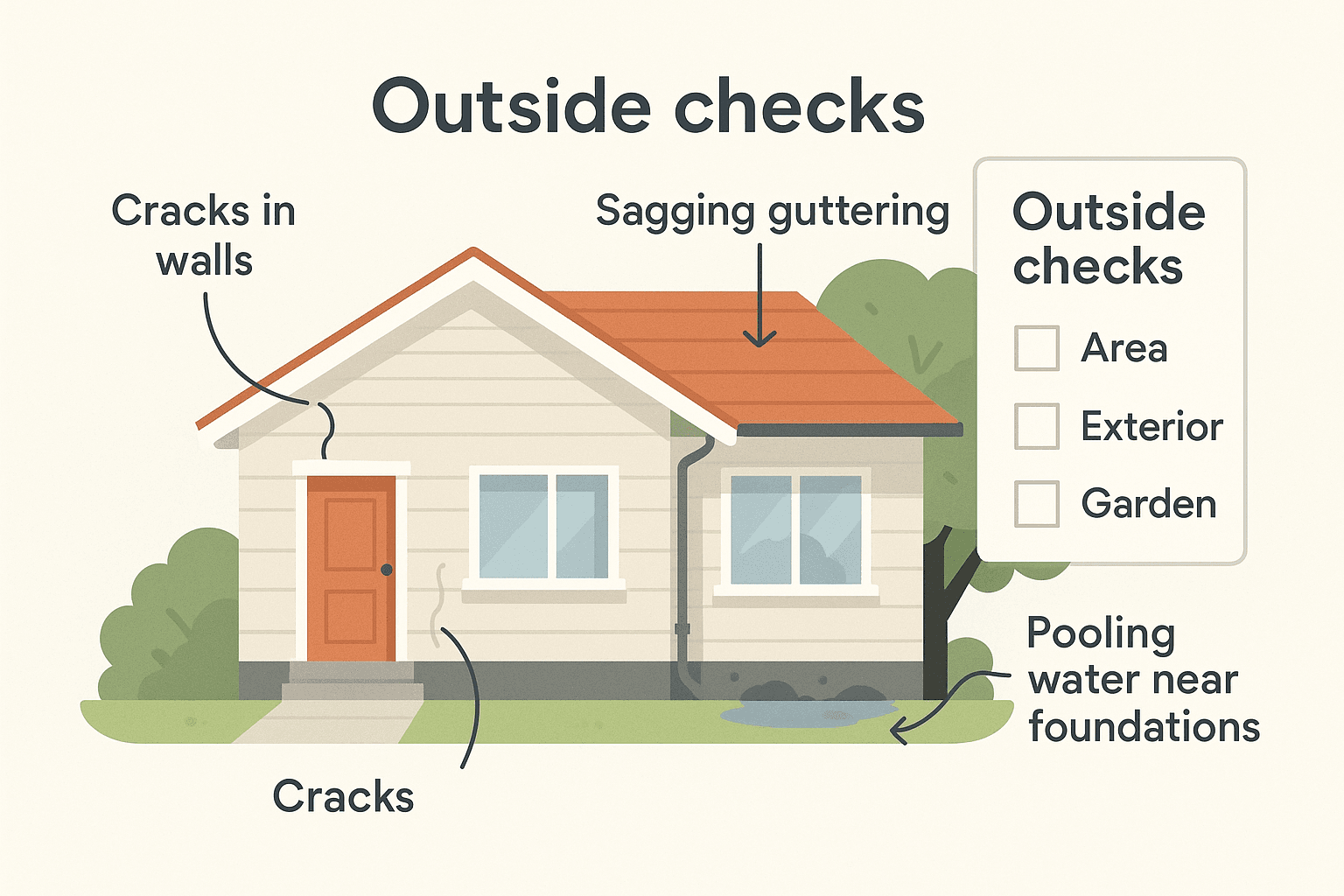
Next comes the outside of the building. During your housing inspection, walk slowly around the home and look up, down, and sideways. Check for cracks in brickwork that may hint at movement, sagging or rusted gutters, and stains on external walls that could signal leaks. A basic structural inspection includes looking at the roofline, downpipes, and foundations. If the place is on stumps, see whether the home feels level as you walk. If the yard is damp or mossy, drainage might be poor. A house structure inspection carried out by a professional will go deeper, but your own eyes can still pick up early warning signs.
The garden tells a story about property maintenance and informal property mgt. Overgrown trees hanging over the roof, clogged gutters, or a cracked driveway can point to years of neglect. For investment properties, outside condition also affects how easy it will be to rent the place out later. Simple fixes like pruning trees and repairing fences are one thing. Big problems like retaining walls failing are very different and belong in a formal house building inspection report.
Imagine you are buying a $750,000 weatherboard home near a train line. On your first house inspection you notice the street is busy at peak hour, but quiet at night. The backyard slopes toward the house and there is moss near the back steps. Your building inspection later confirms poor drainage and recommends a $10,000 drainage upgrade to avoid water under the house. Because you picked up the clues early, you can budget for the work or adjust your offer before signing.
Outside checks to tick off
- Walk the street and nearby blocks during the day and after dark.
- Look for cracks, stains, rusted gutters, and signs of water pooling around the home.
- Check trees, fences and retaining walls for damage or safety issues.
- Note any future costs such as repainting, roof repairs, or new fencing in your inspection checklist.
What this means for Buyers
- A good location and well cared for exterior can save you time and money later.
- Issues outside can be just as costly as problems inside, so give them equal attention.
- Your notes will help your inspector focus on any areas that worried you.
What this means for Sellers
- Simple property maintenance like clearing gutters and trimming trees can improve buyer confidence.
- Fixing obvious exterior issues upfront may reduce negative surprises in a property inspection report.
- Keeping records of repairs helps buyers trust that the home has been cared for.
Quick Q&A
Q: Is moss or a damp patch in the garden always a problem?
A: Not always, but it can suggest poor drainage. Flag it in your property inspection list and ask the building inspector to look closely under the home.
Q: How important is on street parking in an area checklist?
A: It depends on your lifestyle. If you have more than one car or plan to entertain often, safe and consistent street parking should go on your inspection home priorities.
Inside the home and hidden issues
Once the outside passes your first test, it is time to head indoors. Start with overall layout, natural light and how the home will work for your family. Does the living space feel cramped or comfortable? Are there clear paths from the kitchen to the dining and outdoor areas? A good home inspection list includes noise from nearby roads, privacy from neighbours, and storage in bedrooms, hallway cupboards and the laundry. The Craggle checklist suggests thinking about everyday comfort, not just how the styling looks on inspection day.
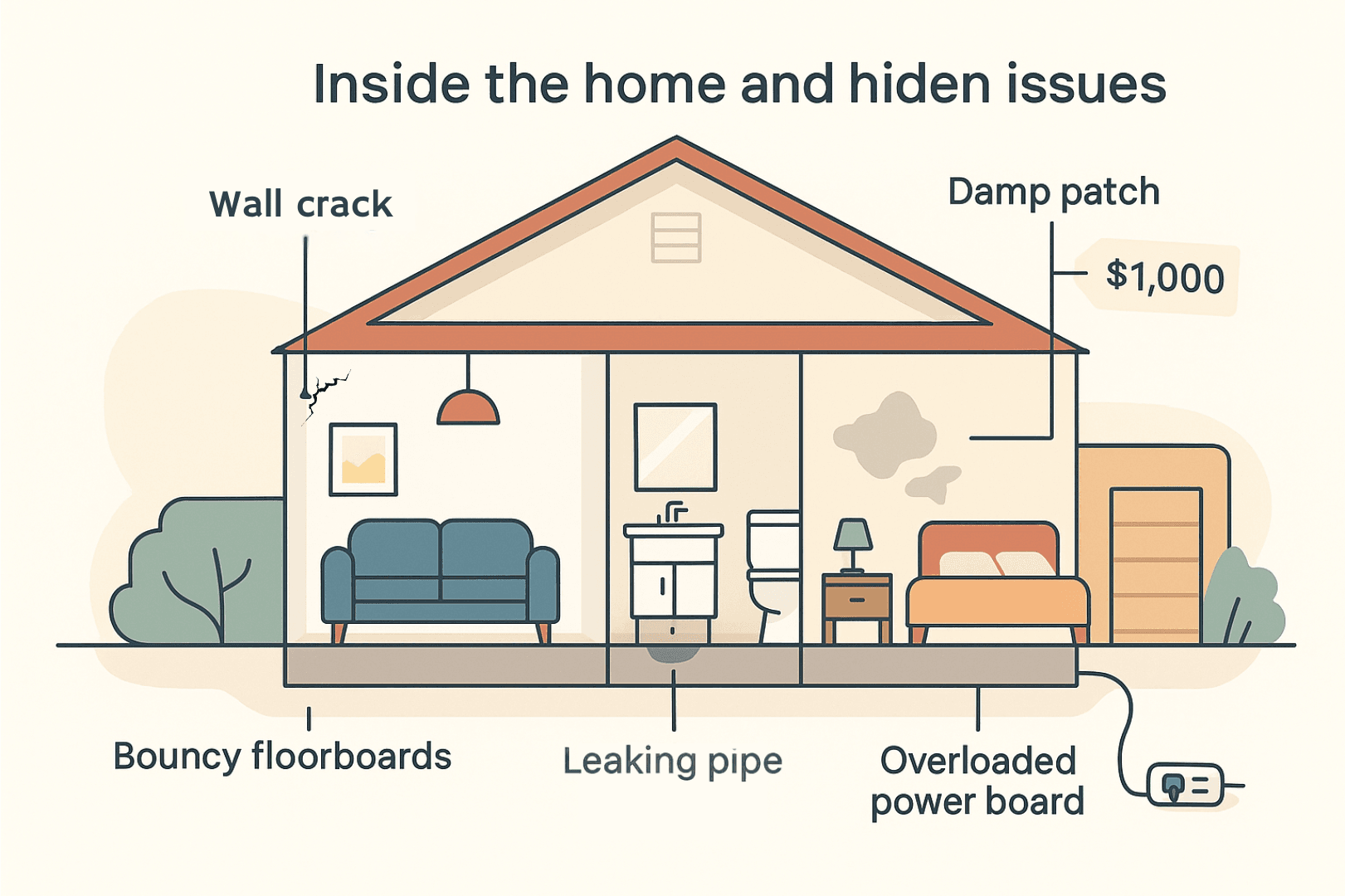
Next, check the practical bits. Turn on taps and showers to test water pressure and drainage. Flush toilets, check under sinks for leaks, and look for stains on ceilings or walls that might hint at past water damage. Try every light switch and power point you can reach. Open and close windows, doors, and built in cupboards to check they move smoothly. These simple steps feature in most home inspection checklists because poor plumbing or electrical work can be expensive to fix later.
Ventilation matters too. Bathrooms and laundries should have either a working exhaust fan or a window that opens easily. In bedrooms and living areas, think about how cool the space will be in summer and how warm it will be in winter. Ask whether the home is insulated in the roof and walls, and whether heating and cooling cover the whole home or just a few rooms. Adding insulation or upgrading heating later can be done, but it affects your budget, so record it in your home inspection checklist.
Picture a $650,000 townhouse in Brisbane. During your home insp you notice bouncy floorboards in the living room and a musty smell in the hallway. The professional residential building inspection later confirms rising damp and recommends ventilation and drainage fixes costing around $12,000. Because you wrote good notes and asked for a detailed inspection check, you understand what is urgent, what can wait, and whether this is still the right property for you.
Inside checks on inspection day
- Walk through each room and look for cracks, stains, or sagging in walls and ceilings.
- Test taps, toilets, light switches and power points and listen for strange noises.
- Open and close windows, doors and cupboards to check they move smoothly and lock properly.
- Add anything unusual to your home inspection checklists so you can raise it with the agent or inspector later.
What this means for Buyers
- Careful checks inside help you avoid surprise repair bills after settlement.
- Noting issues like leaks or movement gives you evidence if you want repairs or a better price.
- Comparing notes across homes helps you see which one really offers better value.
What this means for Current borrowers
- Use the same inspection checklists to review your own home before refinancing or renting it out.
- Fixing damp, leaks or safety issues early can protect both your comfort and your property value.
- A tidy, well maintained home can help when you later order a valuation or list the home for sale.
Quick Q&A
Q: Should I worry about hairline cracks inside the home?
A: Small hairline cracks are common, but many large or growing cracks need a closer look. Raise them in your inspection checklist and ask your building inspector for advice.
Q: Do I need special checks for units in older buildings?
A: Yes. Ask about fire safety systems, lifts, common area maintenance and any planned works, as these can affect costs and comfort over time.
From inspection report to next steps
After your open homes and detailed checks, you will have notes, photos and possibly a formal property inspection report. This is where you pull everything together. A good house building inspection or structural inspection report highlights urgent problems, medium term maintenance, and nice to have upgrades. Read it slowly and match the comments back to your own property inspection checklist so you understand what the inspector saw and what it might cost to fix.
The next step is to decide what to do. If the issues are minor, such as tired paint or an ageing hot water system, you may choose to proceed as planned. If there are major problems, you might ask the seller to fix them, request a price reduction, or walk away entirely. Some buyers also prepare a final home inspection checklist for the pre settlement walk through. This helps make sure the home is in the same condition as when contracts were signed and that any agreed repairs have been completed.
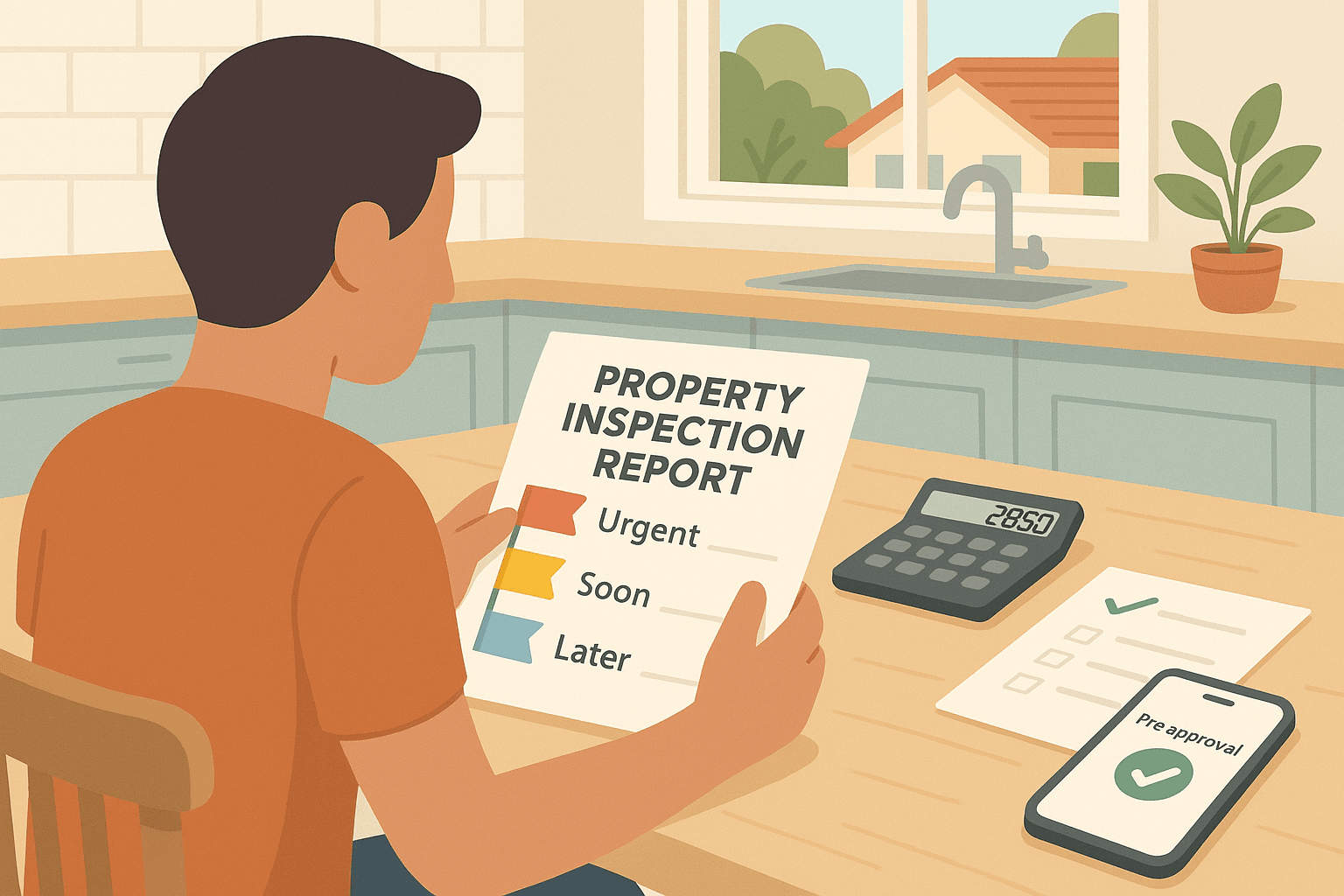
For example, imagine a buyer who has agreed to purchase a $800,000 home with a 10 percent deposit. The inspection report reveals worn roof tiles and old wiring that need around $20,000 of work within the next two years. With those figures, the buyer can either request a price drop, ask for some repairs before settlement, or decide the numbers no longer stack up. Without a clear inspection checklist and report, they might have discovered these issues only after moving in.
The Craggle checklist finishes with a helpful reminder: “Important: While this checklist covers many key points, it isn’t exhaustive. Use it as a helpful starting point and seek professional advice where needed.”* Use your checklist to guide questions, but remember that your solicitor, conveyancer, and professional inspectors are there to help too. Once you are comfortable with the property inspection list and the numbers, getting your finance pre approved and planning your move becomes a lot less stressful.
Turning your checklist into action
- List the issues found in your property inspection report and sort them into urgent, medium term and cosmetic.
- Get quotes for major repairs so you understand the real cost.
- Talk with your conveyancer about options to renegotiate, request repairs, or walk away if needed.
- Use the same framework when assessing investment properties so you compare like for like.
What this means for Buyers
- Your inspection documents give you real power to negotiate or say no.
- A clear view of upcoming maintenance helps you plan your budget for the first few years.
- Finishing with a simple final home inspection checklist makes settlement day smoother.
What this means for Current borrowers
- Reviewing your own home with a fresh inspection checklist can highlight maintenance you have been putting off.
- Sorting repairs before selling or refinancing can improve valuations and buyer interest.
- Good records of inspections and repairs show lenders and buyers that the property is well looked after.
Quick Q&A
Q: What if the inspection finds problems but I still love the home?
A: That is common. Use quotes and advice to decide whether the work is realistic for your budget and energy. You might still go ahead, just with eyes wide open.
Q: Can I reuse the same checklist for every home?
A: Yes. In fact, using the same inspection checklist across homes makes comparison easier, as you can see which property performs best on the points that matter to you.
Sources
Craggle Property Inspection Checklist; Craggle; 2025; internal PDF.
Disclaimer: The opinions expressed in this article are strictly for general informational and entertainment purposes only and should not be taken as financial advice or recommendations.
Written By

The Craggle Team